"The sauna boom is about over, isn't it?" We've heard that conversation more than once this past year. It's true that magazine features have thinned out, and news of new openings has lost its earlier momentum. But open up the numbers from this year's national survey and what's happening on the ground looks quite different from an ending. If anything, it reads like this: the casual crowd is shrinking, and the devoted crowd is growing.
The total held flat — only the heavy tier surged
According to the "Japan Sauna Survey 2026," conducted in February 2026 by the Japan Sauna & Spa Research Institute (Japan Sauna Research Institute) with 10,000 respondents nationwide, the total number of sauna enthusiasts is about 15 million, roughly flat from the previous year. Break it down and the picture changes. Heavy sauna-goers — those who go four or more times a month — number about 2.5 million, up 35% from 1.8 million the year before. Meanwhile, middle sauna-goers (one to three times a month) slipped slightly to about 4.1 million, and light sauna-goers (a few times a year) are also trending down. The base isn't widening; only the density at the center is rising. One estimate puts the increase in heavy sauna-goers in the greater Tokyo area at about 58% — the more urban the area, the sharper this "deepening."
If a boom is defined by new people pouring in, then yes, the boom has crested. But if a culture is defined by a habit taking root in daily life, then sauna is right now at the moment of switching from boom to culture.
The end of a fad is also the beginning of a culture
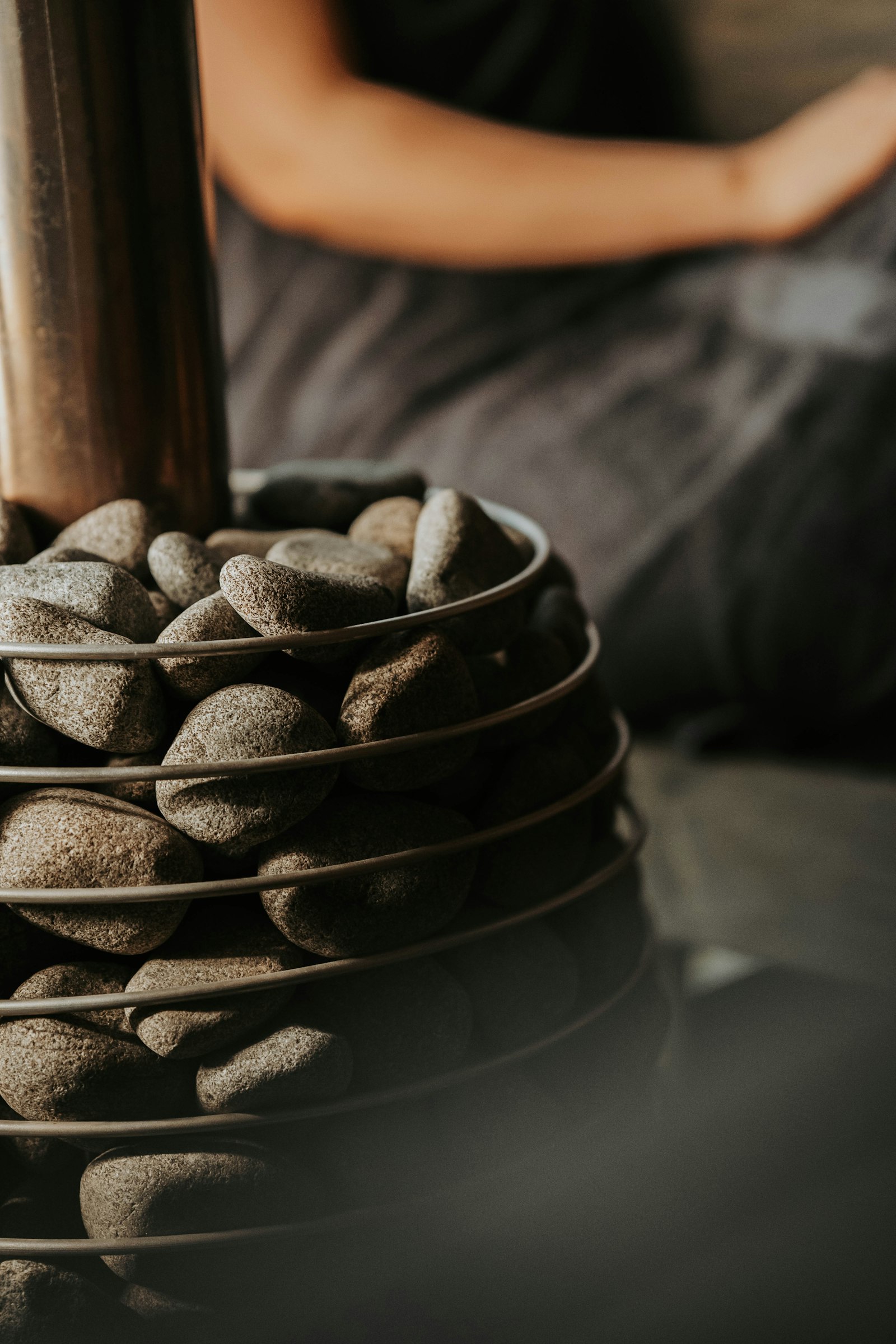
This pattern has repeated in other fields. Running, lifting — after the media heat faded, the people who stayed became the pillars supporting the facilities, the events, and the specialist media. In a phase where numbers shrink and density rises, the market's center of gravity shifts from beginner-friendly entry products to tools and places for the people who keep going. In sauna terms: less event-style spectacle, and more of a "home sauna" — a regular spot within reach — home alternatives like contrast bathing, and building sauna into daily life all the way through to post-sauna sleep. During a boom, "I've been" is a brag. Once it's a culture, "I keep going" is simply normal.
At KAIFUKU, we see this shift as something to welcome. A sauna consumed as a fad fades; a sauna rooted as a recovery habit stays in a reader's life far longer.
Three moves to join the "deepening" side
- Pick one home sauna. A place within commuting distance beats a famous facility far away. Frequency beats luxury.
- If crowds and cost bother you, shift to weekday evenings or mornings. The devoted know which hours are empty.
- In a week you can't get to a sauna, substitute with the bath. Alternating between a hot tub and a cold shower shares the same skeleton. What matters most is not breaking the habit.
Hot bathing puts real strain on the body. Rest on days you feel unwell, and keep it within a range that doesn't push you.