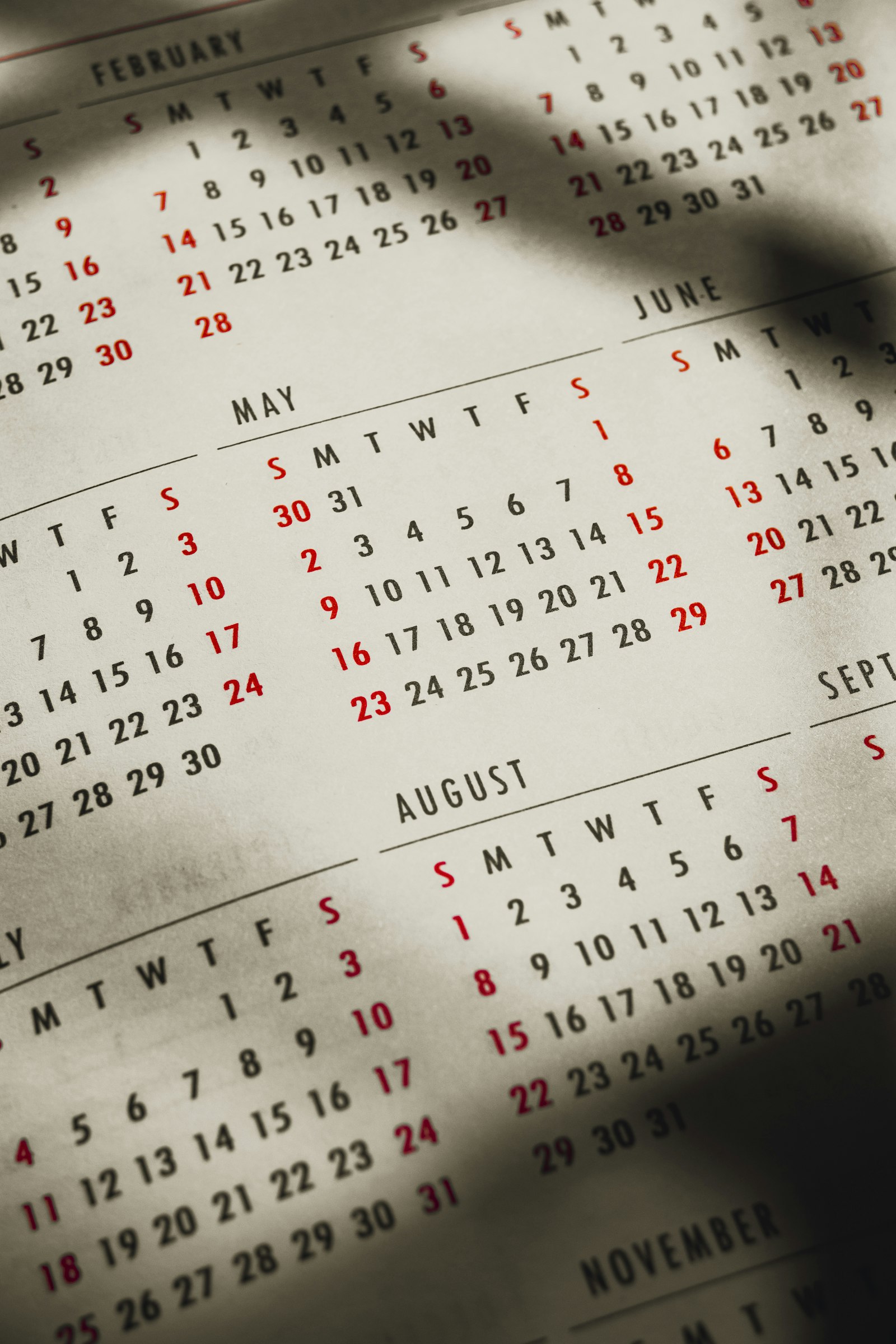
Come September, the number of remaining paid leave days scribbled in the corner of a planner starts to catch the eye. Japan's Ministry of Health, Labour and Welfare's "FY2025 General Survey on Working Conditions" (covering FY2024 results, published December 2025) lays out figures that mirror that seasonal unease. The paid-leave usage rate stood at 66.9%, with 12.1 days taken on average. Both are the highest on record since 1984, and the usage rate has climbed for ten straight years. The numbers keep quietly rising, yet the discomfort hasn't moved an inch.
A decade in the making: finally at 66.9%
Start with the bottom line: the numbers really have grown. According to the Ministry of Health, Labour and Welfare's "FY2025 General Survey on Working Conditions" (FY2024 results), the paid-leave usage rate reached 66.9%, with an average of 12.1 days taken. Both are the highest since 1984. And this isn't a one-year blip — the usage rate has risen for ten consecutive years. Paid leave, long described as "a right that's hard to actually use," has arrived here only after a full decade.
What changed in 2019: a legal duty on employers to set the dates
The rise isn't just a matter of attitude. Japan's Labor Standards Act changed in April 2019. Employers became legally required to ensure that any employee entitled to 10 or more paid leave days each year actually takes at least 5 of them (Labor Standards Act, Article 39, Paragraph 7). The Ministry describes this as a mechanism to guarantee those 5 days through one of three routes: the employee's own request, a scheduled-leave agreement, or the employer designating the dates. The key shift is that the decision no longer rests on the individual alone — employers now share the responsibility. The government had set a target of pushing the usage rate above 70% by FY2025. Today's 66.9% falls just short of that goal.
Even at a record high, one day in three is still left unused
The system is in place. And yet the usage rate tops out at 66.9% — which, read the other way, means 33.1%, roughly one day in three, of granted paid leave still goes unused. The legal mandate only guarantees 5 days a year; beyond that, the pressure to actually take more time off remains thin. The average number of days granted was 18.1, while the average actually taken was 12.1 — leaving a gap of about 6 days sitting unresolved between the system and how it's actually used. Our piece on fatigue versus the sensation of fatigue looked at rest through personal perception. This 33.1%, by contrast, leaves no room for perception at all. Either the day was taken or it wasn't. It's a number that simply refuses to budge.
So why does that 33.1% stay unfilled? From here, the discussion moves outside the numbers. My sense is that many workplaces still carry a lingering hesitation around using up paid leave in full. Even when someone knows, intellectually, "it's my right," plenty of people have felt a twinge of guilt taking a day off while everyone else is at their desk. The fact that the Labor Standards Act started treating paid leave as a systemic issue rather than a matter of individual will can be read as an attempt to shift that atmosphere through the force of law. So I think the unfilled 33.1% is better understood not as a matter of individual mindset, but as a system that still hasn't caught up.
Before checking your boss's mood, try placing it on next month's calendar first
How many days do you have left this year? Plenty of people can't answer right away. Not being able to answer might itself be a sign that you're inside that 33.1%. If so, what if you reversed the order — instead of waiting to read your boss's reaction before acting, place a day on next month's calendar first. A day already written in, I suspect, puts less pressure on the people around you than a blank space that might get filled in later.
What you do with that freed-up leave doesn't have to be a trip. But just as our piece on travel as compound recovery found, having the days left on the books doesn't by itself change what the time off actually feels like. Unless you place the plan yourself, ahead of time, the number just stays a number.
- Check how many paid leave days you have left this year, right now. A planner or an app will do. Simply producing the number is the first step.
- Place your next day off on the calendar at the start of the month, not right before you ask for it. For some people, that alone eases the pressure.
- Try one day off without a reason ready. Confirm on the calendar that you're allowed to rest without needing "I'm unwell" as cover.
The 66.9% took ten years to reach. Filling the remaining 33.1% may come down to something far more personal than the next legal amendment or a more understanding boss: what gets written on next month's calendar. Is there already something written in that next blank day of yours?
Sources
- Ministry of Health, Labour and Welfare, "FY2025 General Survey on Working Conditions: Overview of Results" (paid-leave usage rate 66.9%, 12.1 days taken; FY2024 results, published December 19, 2025)
- Ministry of Health, Labour and Welfare, "Work Style and Rest Style Improvement Portal," Special Site for Promoting Paid Leave Uptake, for workers (guaranteed 5-day minimum, employer date-designation duty, FY2025 numerical target of 70% usage)
- Labor Standards Act (e-Gov Japanese Law Search, Article 39, Paragraph 7)