You spent all of Sunday in bed, and Monday your body still feels heavy. That phenomenon has a named way out: "active rest" — resting by deliberately moving, lightly. We were all taught exercise in school; nobody ever taught us how to rest. Consider this lesson one.
There are two kinds of rest: moving and stopping
Rest divides broadly into two kinds. There is passive rest — doing nothing — and active rest — moving the body lightly while you recover. A walk, gentle stretching, an easy swim: keeping the blood moving at an intensity that never leaves you out of breath. Japan's national health promotion program, Health Japan 21, frames rest as having two sides — "resting" to shed fatigue and "restoring" to build up energy for tomorrow — and by that framing, lying around all day only covers the first half.
It's not just you who's exhausted
This is nearly everyone's story. In a 2025 survey by the Japan Recovery Association of 75,759 working people aged 20–79 nationwide, 46.3% reported being frequently tired — the highest figure since measurement began in 2017. Only 18.0% counted as "energetic." In other words, one in two people at your workplace is tired, and only one in five is doing fine. Being bad at resting isn't your personal failing; we'd argue it's this country's collective skill gap.
The "light-movement rest" that's on the Ministry's own website
The e-Health Net site of Japan's Ministry of Health, Labour and Welfare, in its section on rest and mental health, introduces resting through light movement that maintains circulation as a way to clear fatigue faster. And the Physical Activity and Exercise Guide 2023 is designed to value everyday movement itself, not just high-intensity exercise. The key point: active rest is not extra training. Keeping the intensity light is the whole premise.
With "a walk" as your task, you can rest with your head held high
One reason hard workers can't rest, we think, is that rest looks like stopping. Doing nothing breeds guilt. So you end up staring at your phone, and night falls without ever feeling rested. The invention of active rest is that it gives rest something to do. With a task called "a walk," a hard worker can rest without shame. The worse you are at resting, the more likely it is that "moving rest" is the version that actually sticks.
In fact, this way of resting is already becoming a business. The Japan Recovery Association's Recovery (Rest and Anti-Fatigue) White Paper 2025 estimated the rest and anti-fatigue market at 7.6 trillion yen in 2025 — 1.27 times the previous year's roughly 6.0 trillion yen. Recovery wear is cited as the main driver, and the VENEX × Dragon Ball collaboration we covered yesterday rides this same wave. Ways of resting now sit on store shelves. Resting has become a skill.
This weekend, walk for just 20 minutes in the morning
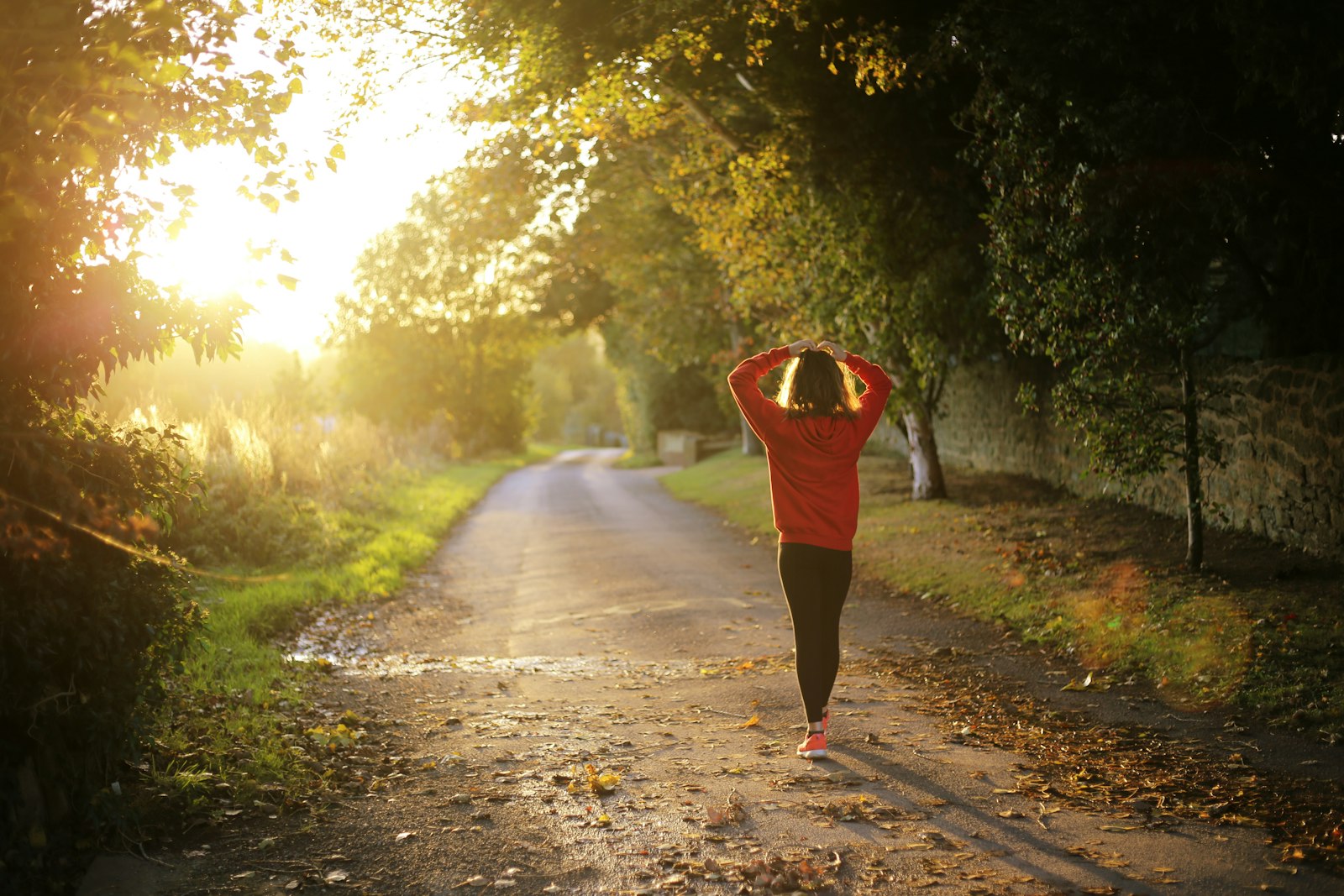
- Walk for just 20 minutes on the morning of your day off. The intensity benchmark: you should be able to hum. Anything harder is training, not rest
- Between work tasks, slowly roll your shoulder blades and hips. On a desk-bound day, that's all the "moving rest" you need
- Each morning, decide: is today a moving rest or a stopping rest? If your body is merely heavy, move; if you're deeply sleepy, sleep without hesitation. That judgment call is the entire skill
On days when you feel unwell or are in pain, don't move. The star of recovery is always sleep.