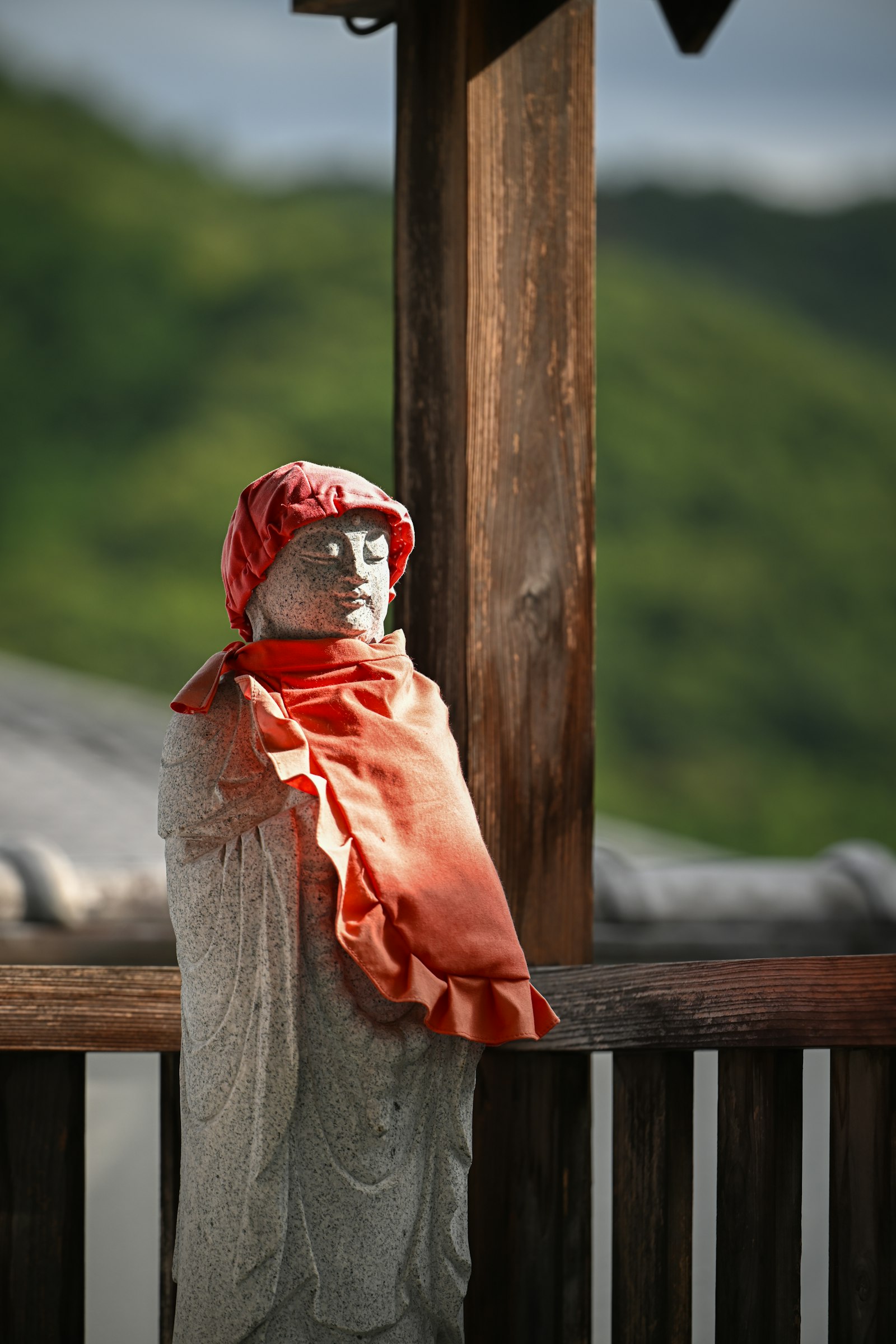
On the temple approach to Naritasan Yakushiji in Saku City, Nagano, stands a small stone Jizo with a broad smile. Its name is the Pinkoro Jizo — a Jizo statue (a Buddhist guardian figure) that carries the wish of "pin-pin korori": stay lively and well ("pin-pin") to the very end, then go quickly ("korori") when the time comes. You could smile at it as a lucky charm and walk on. But behind this statue lies a fairly muscular story that this region has spent half a century building.
By the numbers, Nagano really is longevity country
In the 2020 edition of the prefectural life tables that the Ministry of Health, Labour and Welfare compiles every five years, Nagano's average life expectancy was 82.68 years for men, second in Japan, and 88.23 years for women, fourth in Japan. And in healthy life expectancy — the period lived without limitations on daily activities — the prefecture has announced that, on 2023 figures, Nagano's women ranked first in Japan for the eighth consecutive year and its men for the third. Not simply living long, but living long in good health — the statistics have come along after the fact to back up the wish the Pinkoro Jizo stands for.
"Prevention beats treatment." Before the Jizo came the hospital and the checkups
The received view is that this region's longevity is no accident. Saku City is home to the nationally known Saku Central Hospital, which became a base for rural community medicine under Toshikazu Wakatsuki, a physician who took up his post shortly after the war. In 1959 the hospital launched health management and mass screening covering every resident of a neighboring village, and under the banner "prevention beats treatment," it built — as a whole community — a system for finding illness before it took hold. Stories survive of doctors going out to the villages themselves on traveling clinics, and of hygiene knowledge being taught through theater performances. The Pinkoro Jizo was erected in 2003. So the order of events runs like this: first came decades of patient preventive culture, and the statue rose afterward as its symbol.
This, I think, is the part that lands in our era. Sauna, strength training, sleep tracking — followed to their logic, they are all a culture of acting before you break down. Saku has been doing exactly that for 70 years, not as a personal habit but as a system built into the town. The oldest practitioner of recovery culture may well turn out to be a rural farming district like this one.
Look closely and the phrase "pin-pin korori" is itself provocative. What it wishes for is not long life as such, but the length of the time you stay standing on your own feet, right to the end — a far more likable rewording of the statistical term "healthy life expectancy." Turn it over and it is also a rather urgent declaration: no bedridden final years, thank you. Wrapping a resolve that hard inside a form that soft — pressing your palms together before a statue — and keeping it running for years is this region's particular skill. Health does not spread by sermon. It spreads at the looseness of lucky charms, a temple path, and soba noodles on the way home.
Tourist or homecomer, a longevity town is best seen on foot
- If you ever come to Saku, walk the temple approach to the Pinkoro Jizo. This statue suits being reached on foot far better than being driven up to.
- Look into your own town's "health system" once. If you've been sitting on a checkup notice, take this chance to at least confirm the dates.
- Observe the longevity story through the lens of food and daily life. Highland vegetables, fermented foods, terrain full of slopes. In longevity country, reasons to walk and reasons to eat are lying everywhere.
Saku is the editorial team's hometown. We will keep writing about this region's culture of recovery from the ground.
Sources
- Nagano Prefecture official blog: "Male life expectancy 2nd in Japan, female 4th (2020 prefectural life tables, Ministry of Health, Labour and Welfare)"
- Nagano Prefecture: "Nagano's healthy life expectancy (2023 figures): first in Japan for the 8th consecutive year for women and the 3rd for men" (August 2024)
- JA Nagano Koseiren, Saku Central Hospital Group: "History of Saku Central Hospital"