In December 2011, Saku City drew up the "World's Healthiest City Vision" and the accompanying implementation plan that translated it into policy. What this vision set as its goal was not healthy life expectancy or checkup attendance rates, but a subjective measure: how residents feel in their daily lives.
A "city of health without equal" — defined first in words
According to the city's public materials, the vision describes its purpose as building "a city of health without equal" that residents can be proud of. It goes on to state that for residents to live healthily, the city needs to do more than promote each individual's physical and mental health — it must also resolve the community's various anxieties and challenges, so that people can live safely, cheerfully, and comfortably. In other words, this line treats health not as a matter of personal condition management alone, but as something designed into the whole of daily life.
This region has another health story worth knowing: our article on the Pinkoro Jizo, which traces the history of preventive medicine at Saku Central Hospital. If that story is one of medicine and faith built up over half a century, this one runs on a different axis entirely — a piece of civic design that is still being updated today.
Not average life expectancy or checkup rates, but a regular check on "how it feels"
As far as the city's public materials show, this vision (the version drawn up in December 2011) sets out no concrete numerical targets. In their place stands a single sentence: "We will track improvement in the three areas residents feel in daily life — sense of health, sense of happiness, and sense of livability — by regularly conducting resident surveys." A survey matching that description was in fact carried out, titled "FY2012 Resident Survey on Satisfaction with and Importance of City Initiatives, and on Sense of Livability, Health, and Happiness" (posted to the city's website on January 24, 2013). What gets measured here is neither checkup attendance nor hospital bed counts. What the vision puts into words are three subjective items: how residents themselves feel, day to day.
That said, it isn't true that the city's health efforts as a whole go without numerical targets. Saku later drew up its "Third Saku City Health Promotion 21 Plan," which lists close to 50 target figures. Healthy life expectancy, for instance, is set with concrete numbers: 81.0 years for men, 85.5 for women. This makes sense, since the plan is based on Article 8 of the Health Promotion Act. Choosing a design without numerical targets was a decision made at the level of the 2011 vision alone — it doesn't describe the city's health administration as a whole.
A design that doesn't chase numbers — one that applies just as well to how you take care of yourself
Mention a health goal, and numbers like weight, blood pressure, or step count come to mind first. Numbers are easy to track and easy to compare with other people. But chasing them this way, as I see it, tends to produce a rollercoaster of feeling — anxious when the number drops, relieved when it rises. Behind Saku's choice to check "how it feels" on a regular basis instead of setting numerical targets, there may well have been a judgment that health can't be fully measured by a list of test results alone. That's a view you can carry straight over into how you take care of yourself, too. How you felt about the day, more than what the scale says. Livability itself, more than a heart-rate or sleep score. A town's blueprint ends up reading as a way to reconsider your own personal yardstick.
Start by jotting down today's "feeling" in a single line
- Before checking your weight or step count, jot down "how today felt" in just one line. It's simply doing, in miniature and in your own diary, what Saku City does through its resident surveys.
- Look up your own town's health plan or comprehensive plan once. Comparing whether it's built around numerical targets alone, or designed to pick up on how people feel, can be revealing.
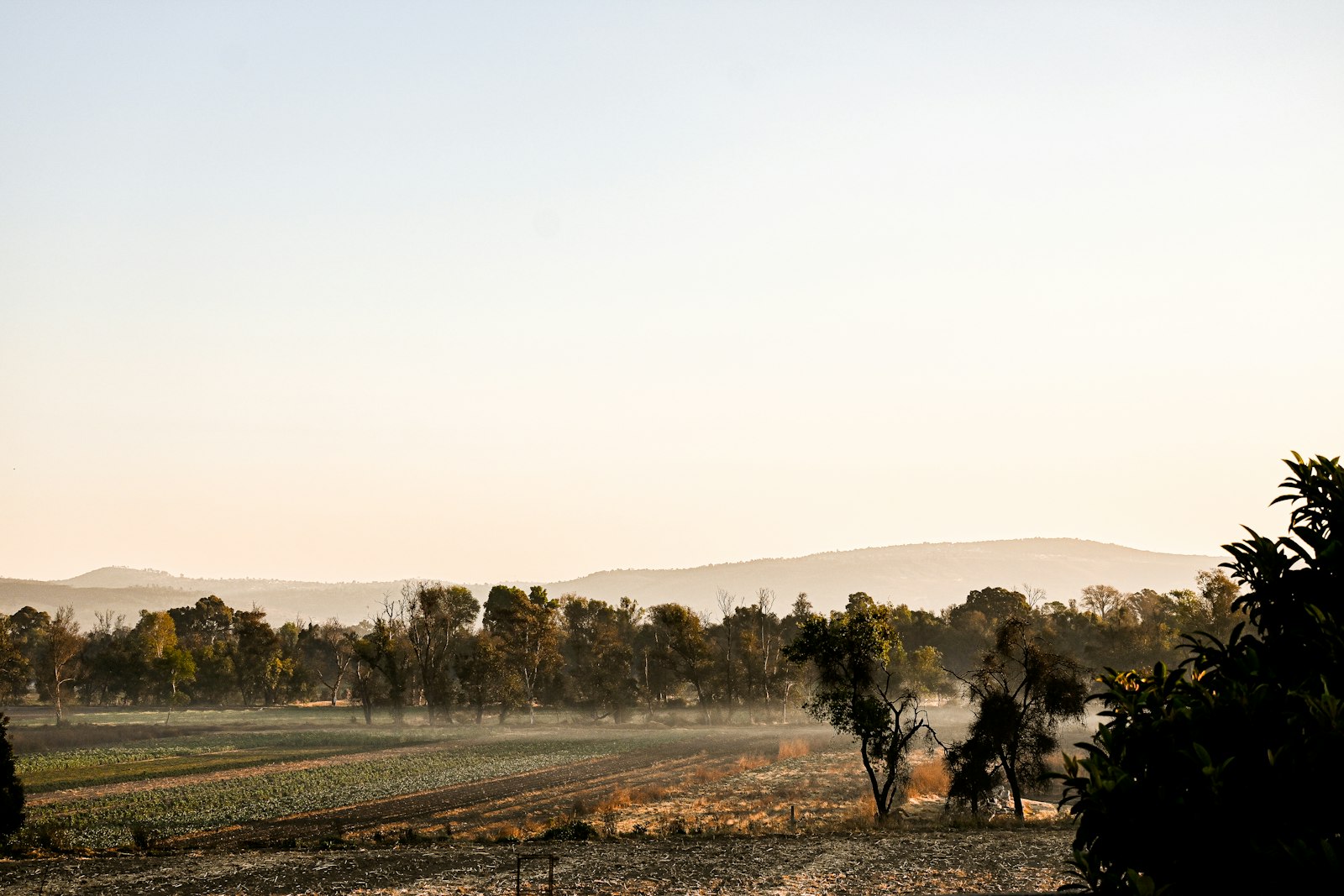
- If you ever get the chance to visit Saku, get out of the car and walk a stretch of the road between the fields.
The three "senses" set up in place of numerical targets are probably not flashy statistics, but an index that this region's administration quietly keeps measuring even now.